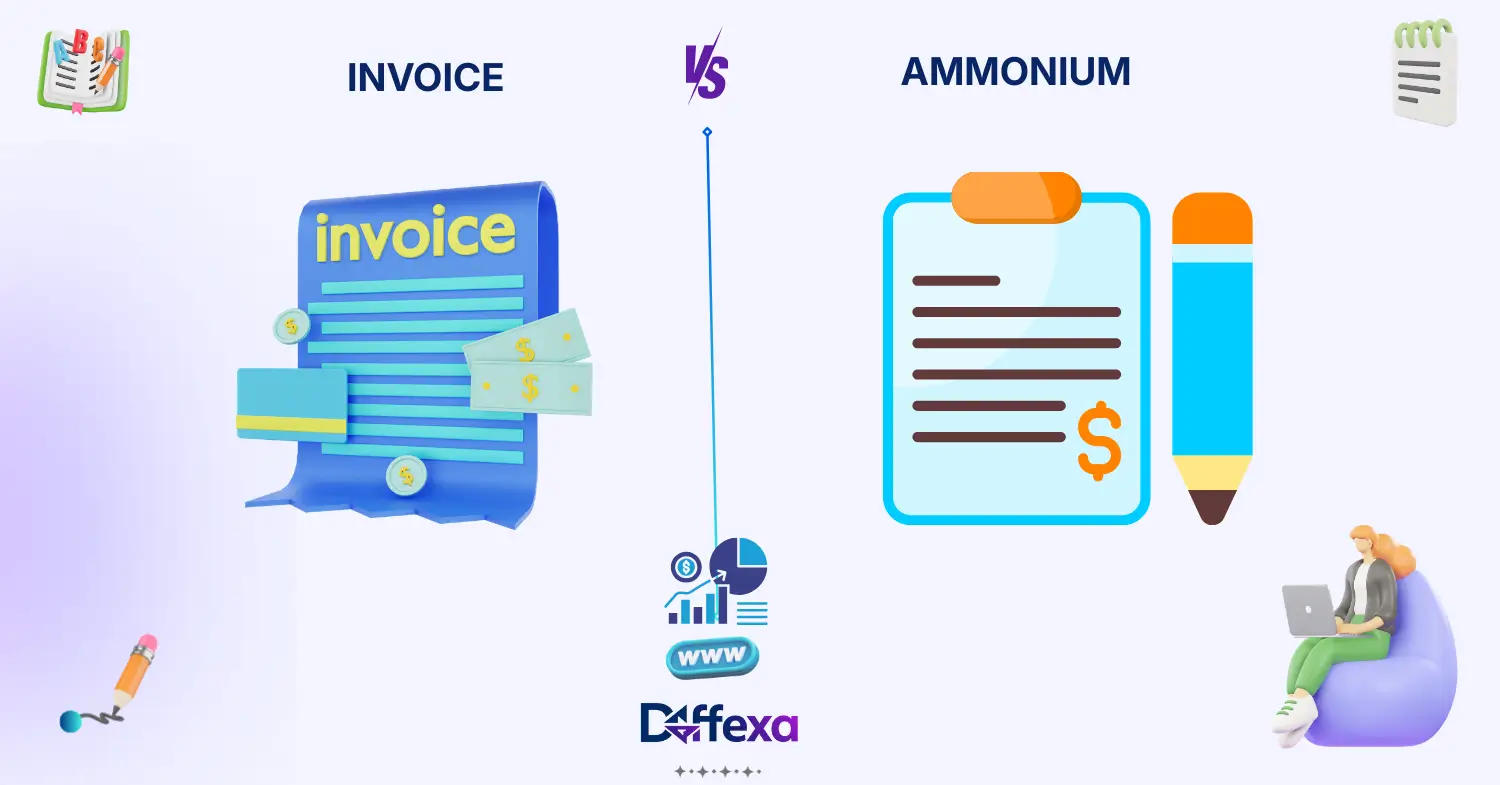
Difference between invoice and quote often confuses people when they start working, freelancing, or running a small business. Imagine sending a bill before agreeing on a price—it creates confusion fast.
In simple terms, a quote shows a price before work begins, while an invoice asks for payment after the work is done. This difference matters more than most people think.
Many learners search for the difference between invoice and quote because both terms appear in emails, contracts, and daily business talk. Yet, they serve completely different purposes.
Understanding the difference between invoice and quote helps students, freelancers, and professionals communicate clearly. Now, let’s explore their differences step by step.
Key Difference Between the Two
The key difference between invoice and quote is timing and purpose.
A quote comes first. It gives an estimated price before any work starts. It helps the client decide.
An invoice comes later. It requests payment after the work is complete.
In short, a quote is a proposal, while an invoice is a payment request.
Why Is Their Difference Necessary to Know
Understanding this difference builds trust in business communication. When you use the right term, people see you as professional and reliable.
Students and beginners often mix these terms. This mistake can lead to confusion in assignments or internships. Clear knowledge helps avoid this.
Professionals depend on accuracy. Sending an invoice instead of a quote can damage a client relationship. So, knowing the difference protects your reputation.
Now, let’s break down pronunciation before diving deeper.
🔊 Pronunciation
Invoice
US: /ˈɪn.vɔɪs/
UK: /ˈɪn.vɔɪs/
Quote
US: /kwoʊt/
UK: /kwəʊt/
Both words are simple to pronounce, but their meanings differ greatly. Let’s understand them clearly.
📚 Core Definitions
Invoice
An invoice is a document that asks for payment after goods or services are delivered. It is formal and direct.
Example:
Example: “I sent the invoice after completing the website design.”
Quote
A quote is a document that shows an estimated price before work begins. It helps the client decide whether to proceed.
Example:
Example: “She requested a quote before hiring the company.”
📚 10 Clear Differences Between Invoice and Quote
1. Timing
A quote comes before the work starts. An invoice comes after the work ends.
Example for Invoice:
“He sent the invoice after finishing the project.”
Example for Quote:
“She asked for a quote before agreeing.”
2. Purpose
A quote suggests a price. An invoice demands payment.
Example for Invoice:
“The invoice clearly listed the total due.”
Example for Quote:
“The quote helped me plan my budget.”
3. Commitment Level
A quote is not always final. An invoice is final.
Example for Invoice:
“The invoice confirmed the final cost.”
Example for Quote:
“The quote may change later.”
4. Legal Strength
Invoices are stronger legally. Quotes are more flexible.
Example for Invoice:
“The invoice served as proof of payment.”
Example for Quote:
“The quote was only an estimate.”
5. Content Detail
Invoices include payment terms. Quotes focus on pricing details.
Example for Invoice:
“The invoice showed due dates.”
Example for Quote:
“The quote listed possible services.”
6. Customer Action
A quote invites a decision. An invoice requires payment.
Example for Invoice:
“The client paid the invoice quickly.”
Example for Quote:
“The client reviewed the quote first.”
7. Tone
A quote sounds polite and suggestive. An invoice sounds firm and direct.
Example for Invoice:
“The invoice stated the amount clearly.”
Example for Quote:
“The quote offered different options.”
8. Stage in Process
Quotes belong to planning. Invoices belong to completion.
Example for Invoice:
“The invoice came after delivery.”
Example for Quote:
“The quote started the discussion.”
9. Risk Factor
Quotes carry uncertainty. Invoices confirm exact amounts.
Example for Invoice:
“The invoice removed any doubt.”
Example for Quote:
“The quote may vary slightly.”
10. Business Function
Quotes help win clients. Invoices ensure payment.
Example for Invoice:
“The invoice secured the payment.”
Example for Quote:
“The quote attracted the client.”
🎯 Why Knowing the Difference Matters
Students need this knowledge to write accurate assignments and understand business terms. It builds confidence in communication.
Professionals rely on these terms daily. Clear usage avoids mistakes in contracts, emails, and billing systems.
Misusing these words can confuse clients. It may lead to payment delays or lost trust.
Real‑world consequences of confusion
If you send an invoice instead of a quote, the client may feel pressured. If you send a quote instead of an invoice, you may not get paid on time.
🧠 Why People Get Confused
Similar Usage
Both words appear in business contexts, so people assume they mean the same.
Semantic Overlap
Both involve money and services, which creates confusion.
Context-Based Usage
In informal speech, people use them loosely without understanding the difference.
Influence of Informal Speech
Many people say “send me the bill” or “send me the price,” mixing terms casually.
🎭 Connotation & Emotional Tone
Connotation (the emotional meaning associated with a word).
Invoice
Positive:
Shows professionalism and clarity.
Example: “The invoice was clear and easy to understand.”
Negative:
May feel demanding or strict.
Example: “The invoice arrived earlier than expected.”
Neutral:
Standard business document.
Example: “The invoice listed all items.”
Quote
Positive:
Feels helpful and flexible.
Example: “The quote gave me options.”
Negative:
May seem uncertain or changeable.
Example: “The quote changed later.”
Neutral:
Basic pricing estimate.
Example: “The quote included all details.”
🗣 Usage in Metaphors, Similes & Idioms
These terms rarely appear in idioms, but they can be used metaphorically.
- “His promise felt like a quote, not an invoice.”
(Meaning: not final or reliable) - “Her decision was an invoice, not a quote.”
(Meaning: firm and final)
📊 Comparison Table
| Feature | Invoice | Quote |
|---|---|---|
| Meaning | Payment request | Price estimate |
| Tone | Firm | Flexible |
| Usage | After work | Before work |
| Context | Billing | Planning |
| Formality | Highly formal | Semi-formal |
⚖️ Which Is Better in What Situation?
When to use Invoice
Use an invoice after completing work. It clearly requests payment. It works best in formal business settings.
When to use Quote
Use a quote before starting work. It helps the client decide. It works well in planning stages.
Situational clarity
If the client has not agreed yet, send a quote. If the job is done, send an invoice.
Contextual correctness
Choosing the right term avoids confusion. It shows professionalism and improves communication.
📖 Literary or Cultural References
- Book: The Lean Startup (Business, Eric Ries, 2011)
Discusses early-stage pricing decisions, similar to quotes. - Movie: The Social Network (USA, 2010)
Shows business deals where pricing and billing play key roles.
❓ FAQs
1. Can a quote become an invoice?
Yes, a quote can turn into an invoice after the client agrees and the work is completed. However, the final price may differ slightly from the original quote.
2. Is a quote legally binding?
Usually, a quote is not legally binding unless both parties sign it. It mainly serves as an estimate or proposal.
3. Can I send an invoice without a quote?
Yes, but it may confuse clients. Sending a quote first builds trust and avoids misunderstandings.
4. What happens if I mix them up?
Mixing them up can cause confusion. A client may think they must pay immediately or may delay payment.
5. Which is more important in business?
Both are important. Quotes help you win clients, while invoices ensure you get paid.
🏁 Conclusion
The difference between invoice and quote is simple but essential. A quote comes before work and suggests a price. An invoice comes after work and requests payment.
Using these terms correctly improves communication. It helps you sound clear, professional, and confident in any situation.
Whether you are a student, freelancer, or business owner, this knowledge matters. It protects your relationships and avoids costly mistakes.
Keep practicing these terms in emails and real conversations. The more you use them correctly, the more natural they will feel.

Sajid Ali is an English language educator and content specialist with 7+ years of teaching experience. He holds master’s degrees in Information Technology and Education from the Virtual University of Pakistan and writes SEO-optimized, learner-friendly vocabulary content for diffexa.com.